4 customer experience touchpoints that make or break loyalty
Where post-sale customer experience breaks between teams, what good looks like, and five questions to audit your CX

A customer rarely remembers the campaign that brought them in. They remember the claim acknowledgement that showed up three days late. The welcome email asking for details they’d already typed into a form. The support call where they explained the whole thing twice.
In other words, customers remember what happened after the sale, and most of that arrived as a customer communication nobody had connected to anything else.
When Foundry’s 2026 MarketPulse survey asked 212 senior CX and technology leaders where their customers hit the most digital friction, inconsistent experiences across channels came first at 58%, ahead of onboarding (47%) and irrelevant or untimely communications (43%).
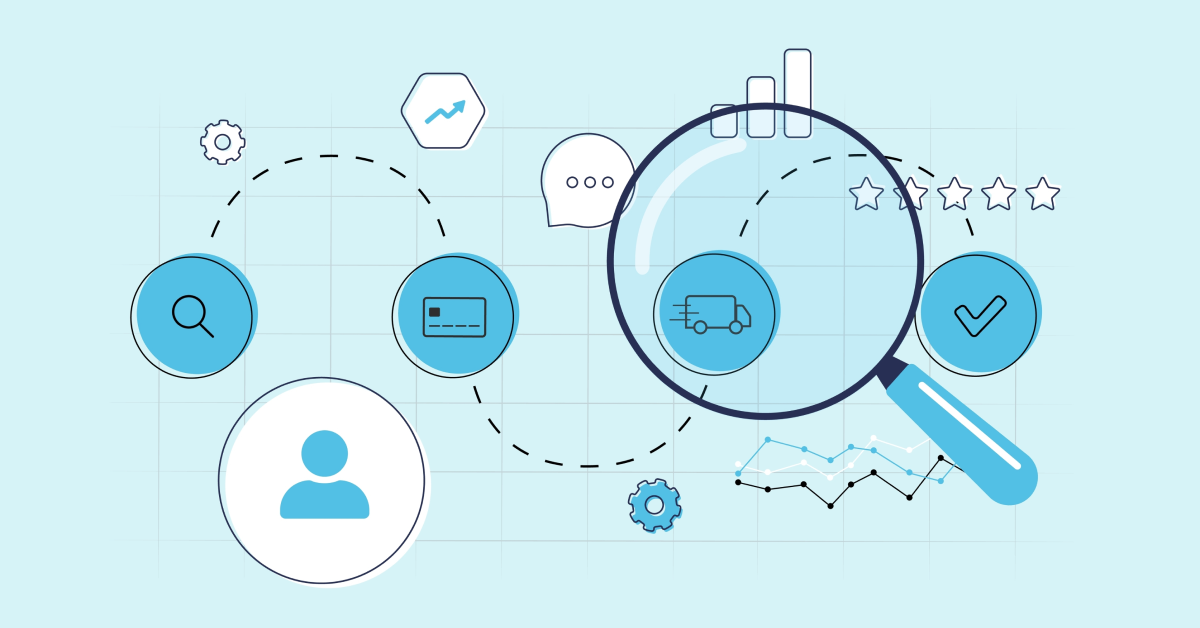
Customers judge the whole relationship, and it breaks down at handoffs, where context gets dropped between one system or team and the next. Four touchpoints put that handoff under more pressure than the rest.
Onboarding communications decide early churn
Between 20% and 70% of new customers leave within their first 100 days (Never Lose a Customer Again), and C-suite respondents in the Foundry survey named onboarding their single biggest friction point (55%).
Account setup usually lives in one system, welcome communications in another, and the self-service portal in a third, with no shared record of the customer between them. So the customer gets asked for information you already hold, and product tips arrive on a calendar schedule whether they’ve logged in once or fifty times.
What good looks like: welcome communications triggered by what the customer actually does, portal forms pre-filled from data you already have, and each step aware of the one before it.
Claim and outage updates that arrive before the call
A claim, an outage, a billing dispute. Plenty of organizations still answer with a form letter and a phone number. Call volume climbs, and trust drops at the same time.
Among process management leaders, 64% flag poor visibility into account status as a top friction point, which is a polite way of saying customers have to call to find out anything.
What good looks like: the update is triggered by the system of record (the claims platform or the billing system), so customers hear from you first, on their preferred channel, and can check status or reply without calling.
Regulated documents where compliance and experience meet
Statements, disclosures, adverse action letters. Compliance treats them as audit artifacts. Customers treat them as one of the most frequent contacts they have with your brand. Both are right, which is why this touchpoint breaks so easily. Among C-suite respondents, 51% call irrelevant or untimely communications a top friction point.
Generative AI raises the stakes. It can produce personalized variations of a disclosure faster than any compliance team can read them, and every one still has to survive an audit. Generating them outside a governed process amounts to shipping to production with no regression pass.
What good looks like: AI-assisted authoring that works inside templates legal has already approved, and delivery that checks consent at send time.
Support conversations that start without the customer’s history
When customers reach out for help, they assume you know what you already sent them. Usually you don’t. The agent can’t see the letter, email, or portal message that prompted the call, so the customer starts from zero. Among strategy leaders, 44% name difficulty getting support as a top friction point.
What good looks like: agents and self-service tools see the same communication history the customer sees, and a resolved issue flows back so the next statement or message reflects it.
Why good teams still deliver broken customer experiences
Most of the people behind these moments are good at their jobs. The onboarding team hits its activation targets. The contact center beats its handle-time goal. Compliance clears every disclosure that crosses its desk. The experience still breaks, because each team owns its stage and nobody owns the handoff between them.
Another point tool rarely fixes that. Customer communications are a good place to start because they show up in every one of these moments. Connect them to shared customer context and governed content, and each message knows what the customer did last, what they were already told, and what they’ve agreed to.
Extend that to every touchpoint, and you get what we call intelligent experiences, customer interactions where AI operates inside governed guardrails from the moment content is created to the moment it’s delivered. That’s how the post-sale relationship goes from a cost center to a growth channel.
Five questions to audit your customer touchpoints
- Do onboarding messages respond to what customers do, or to a calendar?
- During a claim or outage, do customers hear from you before they call?
- Can you show who approved each AI-assisted regulated document, and against which template?
- Can support agents see the last message the customer received?
- Does each touchpoint know what happened at the one before it?
Every “no” marks a handoff worth fixing first. Most of that work is unglamorous, and very little of it involves buying more software.
See how OpenText™ Experience Cloud connects customer communications and digital experiences on one governed foundation for post-acquisition customer experience.