UNHCR uses data for the good

Technology is the connective fabric of humanity. It connects organizations, devices and people all around the world. It automates complex workflows, gathers unprecedented amounts of data and enables organizations to discover incredible insights. And as the nature of data changes, so do our ethical responsibilities in how we manage and protect that data.
As I stated in a recent blog post, OpenText firmly believes that data should be used for the good. As our customers, you can trust us with your data. Our commitment to you is simple: we will never sell your data. And, we believe in supporting organizations that use data for the good.
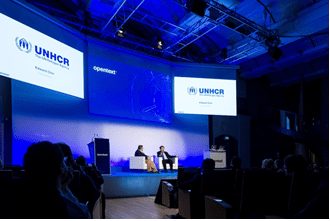
At the OpenText Innovation Tour in Paris recently, I had the opportunity to speak with Edward Chin, Deputy Director, Department of Information Systems and Telecommunications, from the United Nations High Commissioner for Refugees (UNHCR) about how they use technology and data for the good.

The UNHCR was created in the aftermath of the Second World War to help the millions of Europeans who had fled conflict zones or lost their homes. Over 67 years later, the UNHCR continues to protect and deliver aid to refugees around the world. That is their key mission: to protect, to assist and to find durable solutions.
How do they do this? By collecting, analyzing and sharing data and information. Whatever the operation, where-ever the need, data plays a vital role in the success of UNHCR relief operations. Vital data and documents are stored and managed in OpenText’s Enterprise Information Management platform, allowing the UNHCR to make this information available to employees working in over 130 countries worldwide.
However, it is not only important documents that enable the UNHCR to deliver much needed support to refugees across the globe. Biometric data is starting to play a key role in UNHCR relief operations. Many refugees fleeing war-torn areas do not have paperwork to prove their identity. With the help of biometric technology, displaced people can be registered with the UNHCR, uniquely identified and given access to life-changing aid.
The result? In places like Jordan, refugees can visit certain ATM’s, have their iris scanned to confirm their identity and receive vitally needed cash automatically.
This is the future of data. This is how we use data and technology for the good.
You can find more information on the UNHCR here.