How AI is transforming DAM from passive to active

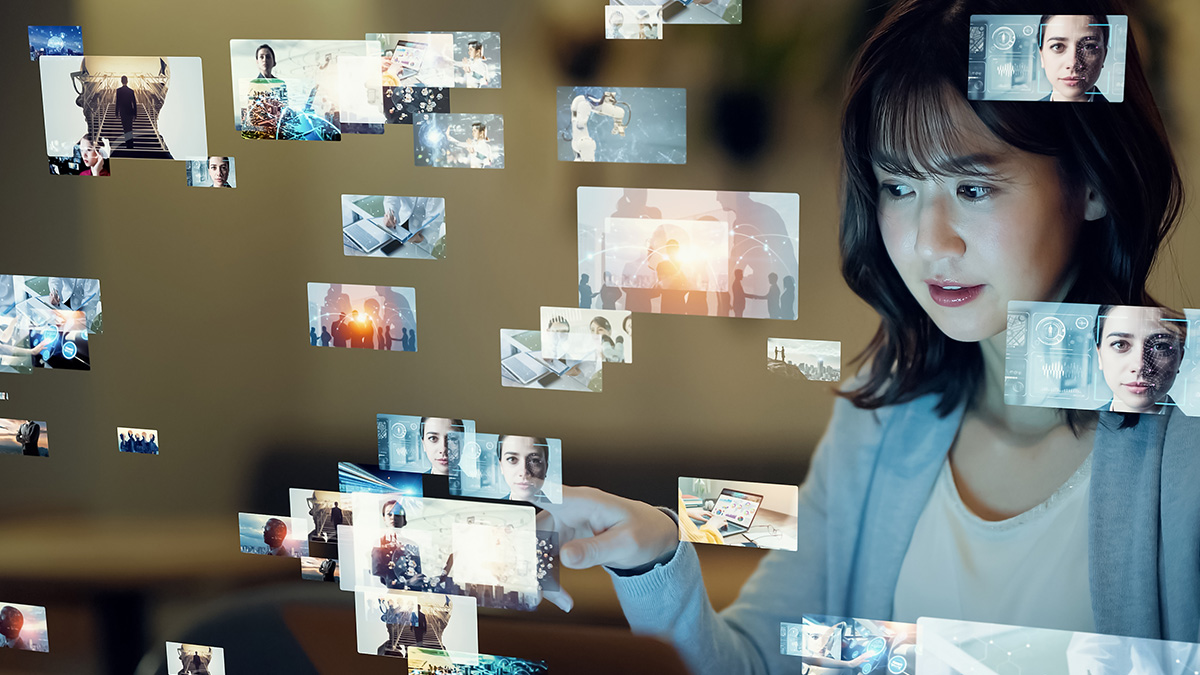
Digital Asset Management (DAM) started as a library for digital images: a passive repository providing a single source of truth for media files. But in the last 30 years, DAM has become something much more powerful. Today’s leading solutions incorporate automation that can replace what was once manual activity, evolving DAM from a passive repository into an active business tool. For example, automatically creating sets of images in different sizes, resolutions and aspect ratios for different social channels, websites and mobile apps – preventing the need for designers using specialized photo editing software. This is the shallowest form of active DAM – as we get more into the world of AI, the opportunities become even stronger.
The next best action recommendation
We are now entering the post self-service era. If you search for something in the DAM but you can’t find anything that meets your needs, what is the logical next step?
The DAM could extend the search to a connected Shutterstock account for an asset that could fit what you’re looking for. If it’s a more complex ask, the DAM could automatically offer to launch a creative request workflow for a design team or agency to source an asset that fits the bill or update an existing one. The focus on the user journey is exciting: could DAM with an embedded AI assistant recognize an often-repeated workflow and serve that content proactively upon login?
The next generation of Digital Asset Management
It’s exciting to imagine the possibilities associated with AI-assisted user journeys within DAM. Every organization uses DAM differently and within that, there are various employee roles completing tasks at multiple levels. What if the DAM served up an optimized user journey, personalized for the way each person works in it? Generative AI for text and imagery will be a fascinating frontier for DAM but is currently fraught with ethical concerns. Using original artwork with rights secured for a training set is likely the best path forward.
If DAM in the past was a library, DAM now and in the future will become a warehouse or a gym – a place where content goes to work and where work gets done. It will go beyond asset transformation, basic cropping and curated collections – all of which are possible in the current context. Digital asset management has always been a backbone, linking tasks and connecting things. DAM in the future will continue to provide and deliver what users have come to rely on. But DAM is poised to become an engine of inspiration – it will drive creative capabilities, power collaboration and accelerate processes.
Managing your digital assets
Your brand fuels your business. Protect and grow it with OpenTextTM Media Management.